

Top 5 Benefits of Niacinamide for Acne-Prone Skin

Breakouts often come with excess shine, visible pores, redness and dark marks that remain after pimples heal. Managing these concerns can be frustrating, especially when strong products leave your skin dry or uncomfortable.
Niacinamide, a form of vitamin B3, can be a useful addition to your routine. It helps support the skin barrier and may improve oiliness, uneven tone and acne-related redness.
In this Dermasys guide, discover the benefits of niacinamide for acne-prone skin, how to use it and what to consider before choosing a serum.
What Is Niacinamide?
Niacinamide, also called nicotinamide, is a water-soluble form of vitamin B3 used in serums, moisturizers, cleansers and sunscreens.
It supports the skin’s protective barrier, helping it retain moisture. This matters because acne-prone skin can feel oily and dehydrated at the same time.
Unlike an exfoliating acid, niacinamide does not primarily remove dead skin cells or clear pore blockages. It works as a supporting ingredient for skin balance, comfort and a more even-looking complexion.
Is Niacinamide Good for Acne-Prone Skin?
Yes, niacinamide may benefit acne-prone skin, particularly when breakouts occur alongside oiliness, redness or dehydration.
Some clinical studies have reported improvements in inflammatory acne with topical nicotinamide. However, the evidence has limitations, and cosmetic niacinamide products should not replace prescribed acne treatment.
Its main advantage is supporting several skin concerns within a simple daily routine.
5 Benefits of Niacinamide for Acne-Prone Skin
1. Helps Control Excess Oil and Shine
Your skin needs sebum to stay protected. However, excess oil can contribute to facial shine and mix with dead skin cells inside pores.
Niacinamide may help manage oiliness. Research involving a 2% niacinamide formulation found improvements in certain measures of facial sebum, although results differed between study groups.
A niacinamide serum for oily skin may help reduce shine without relying on repeated washing or harsh scrubs.
2. Helps Calm Acne-Related Redness
Inflamed pimples can look red and feel uncomfortable. Niacinamide has anti-inflammatory properties that may help support a calmer-looking complexion.
A clinical trial involving 4% nicotinamide gel reported improvements in inflammatory acne over eight weeks. These findings apply to the tested formula and do not guarantee the same results from every serum.
Persistent, painful or deep breakouts need a dermatologist’s assessment.
3. Supports the Skin Barrier and Hydration
Acne-prone skin still needs moisture. Frequent cleansing and several acne treatments can leave it tight, flaky or sensitive.
Niacinamide supports the production of ceramides—natural lipids that help maintain the skin barrier—and helps reduce moisture loss.
This makes it useful when your skin feels oily but dehydrated. Follow your serum with a suitable moisturizer rather than expecting one ingredient to provide all the hydration your skin needs.
4. Helps Fade Post-Acne Dark Marks
After a pimple heals, it may leave a flat brown mark called post-inflammatory hyperpigmentation.
Niacinamide can help improve uneven pigmentation by reducing the transfer of pigment-containing structures within the skin. Clinical research has demonstrated improvements in hyperpigmentation with topical niacinamide.
Using niacinamide for acne marks may gradually improve uneven-looking tone. It does not remove indented or raised acne scars.
5. May Make Enlarged Pores Less Noticeable
Oiliness and uneven texture can make pores appear more prominent. By helping manage excess sebum, niacinamide may improve their appearance.
However, pores are normal skin structures. Niacinamide cannot permanently close them or create completely poreless skin.
When choosing a serum for open pores, look for gradual improvements in shine and overall texture.
How to Use Niacinamide for Acne-Prone Skin
Introduce one new product at a time and follow its directions.
Morning Routine
- Cleanse with a gentle face wash.
- Apply your niacinamide serum.
- Follow with a lightweight moisturizer.
- Finish with broad-spectrum SPF 30 or higher sunscreen.
Night Routine
- Cleanse your face.
- Apply niacinamide serum.
- Follow with moisturizer.
If you use prescribed acne medication, follow your dermatologist’s instructions for application order. Start less frequently if your skin is reactive.
Patch Test First for the Best Experience
A patch test helps you introduce a new product with more confidence. Follow the product’s instructions and test a small amount on a limited area, such as the inner arm, before wider use.
Observe the area over several days. If it remains comfortable, introduce the serum gradually into your facial routine. Stop if persistent stinging, itching or redness develops. A successful patch test cannot rule out every reaction.
What Percentage of Niacinamide Should You Choose?
There is no single best concentration for everyone. A 2–5% formula can be a practical starting point, depending on skin sensitivity and the complete formulation.
You may also find 10% niacinamide serums. Higher strength does not automatically mean better results and may cause irritation in some people.
Explore Dermasys 5% Niacinamide Serum when comparing options for oiliness, visible pores and uneven-looking tone. Review the ingredients and directions before use.
Can Niacinamide Be Used With Other Ingredients?
Niacinamide can fit into routines containing:
- Hyaluronic acid for hydration.
- Ceramides for moisture barrier support.
- Salicylic acid for clogged pores and blackheads.
- Retinol for skin renewal.
- Vitamin C for uneven-looking tone.
Compatibility also depends on the formulations and your skin’s tolerance. Introduce products gradually instead of adding several actives together.
Who May Benefit From Niacinamide?
Niacinamide may be worth considering if you have excess facial shine, post-acne dark spots, enlarged-looking pores or acne-prone skin that also feels dehydrated.
Browse the Dermasys niacinamide range to compare available options and choose a formula that fits your routine.
Explore All Dermasys Products
Face Wash & Cleanser


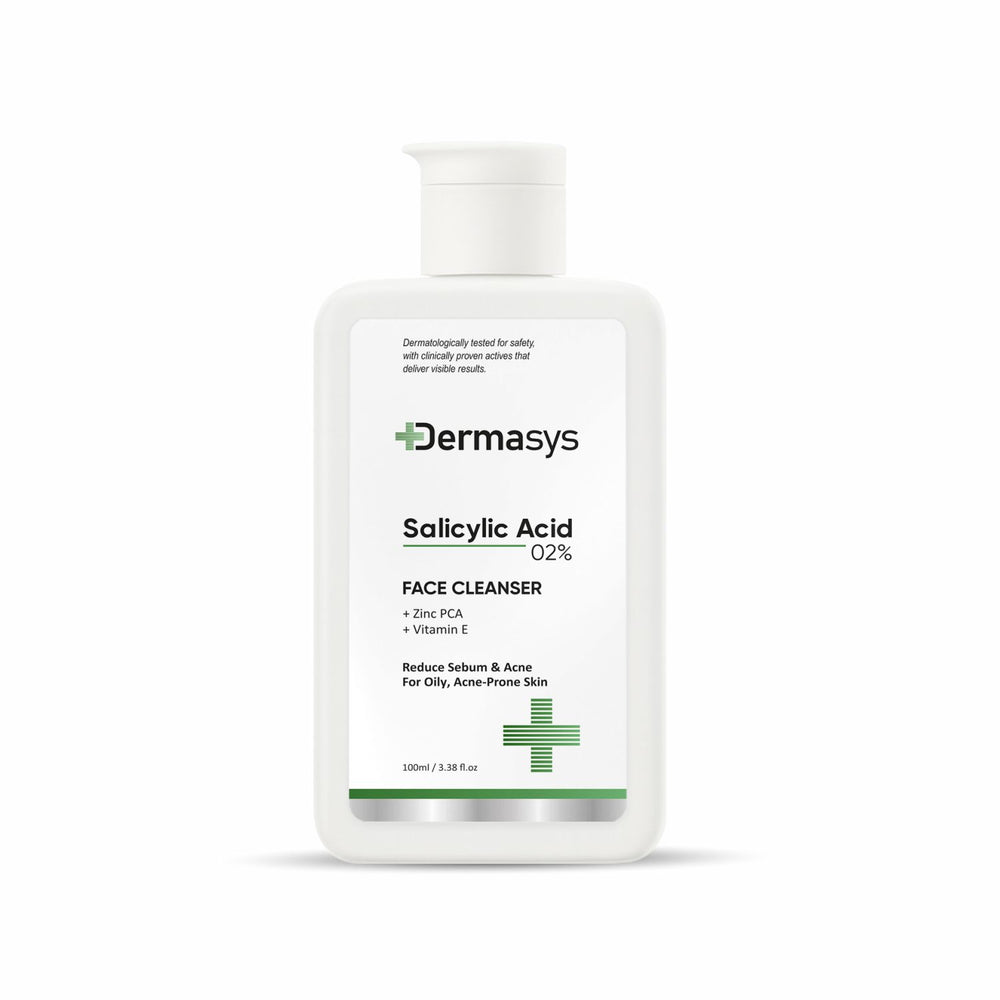


Face Serums

Salicylic Acid Face Serum
Buy Now
Retinol Face Serum
Buy Now
Derma Kojic Acid Serum
Buy Now
Derma Retinol Serum
Buy Now
5% Niacinamide Serum
Buy Now
Derma Niacinamide Serum
Buy Now
Vitamin C Face Serum
Buy Now
Kojic Acid Face Serum
Buy Now
Derma Salicylic Acid Serum
Buy Now
Derma Vitamin C Serum
Buy NowFace Sheet Masks


Hair Care


Frequently Asked Questions
What are the benefits of niacinamide for acne-prone skin?
Niacinamide helps manage excess oil, calm visible redness, support the skin barrier and fade post-acne dark marks. It can support an acne routine, but persistent breakouts may need targeted treatment.
Is Dermasys 5% Niacinamide Serum good for acne-prone skin?
Dermasys 5% Niacinamide Serum is an option for acne-prone skin with excess oil, visible pores and uneven tone. Patch-test first and introduce it gradually to check your skin’s tolerance.
Which is better for acne: niacinamide or salicylic acid?
Salicylic acid is more targeted for clogged pores, blackheads and whiteheads. Niacinamide supports oil control, redness and barrier health, so the better choice depends on your main skin concern.
Can I use Dermasys Niacinamide Serum every day?
You can use Dermasys Niacinamide Serum daily if your skin tolerates it and the product directions allow it. Begin once daily or less frequently, then follow with moisturiser and morning sunscreen.
Does niacinamide help fade acne marks and dark spots?
Yes, niacinamide can gradually improve flat, dark marks left after pimples heal. It does not remove deep or raised acne scars, which require a different treatment approach.
How long does Dermasys Niacinamide Serum take to show results?
Results from Dermasys Niacinamide Serum vary by skin and routine; a fixed timeline cannot be guaranteed. Niacinamide research generally measures changes over several weeks, with pigmentation often taking longer than oiliness.
Is 5% or 10% niacinamide better for acne-prone skin?
A 5% niacinamide serum is a reasonable starting choice for beginners. A 10% concentration is not automatically more effective, and your skin’s tolerance matters more than choosing the highest percentage.
Can I use Dermasys Niacinamide Serum with salicylic acid?
Yes, Dermasys Niacinamide Serum can generally be included in a routine with salicylic acid if both products are tolerated. Introduce them separately and reduce frequency if dryness, stinging or redness develops.
Does niacinamide cause purging or more pimples?
Niacinamide alone is not expected to cause purging. If breakouts increase after starting a serum, consider irritation, other ingredients or ongoing acne rather than assuming the reaction is normal.
Does Dermasys Niacinamide Serum reduce open pores?
Dermasys Niacinamide Serum may help make enlarged pores look less noticeable through oil control and improved skin appearance. Pores cannot permanently close, and visible results vary from person to person.
Final Thoughts
Niacinamide can support acne-prone skin by helping manage oiliness, calm visible redness, maintain hydration and improve post-acne dark marks. Consistent use and a comfortable routine matter more than choosing the highest concentration.
Shop Dermasys 5% Niacinamide Serum and review its ingredients and directions to find out how it fits your skincare routine.


